
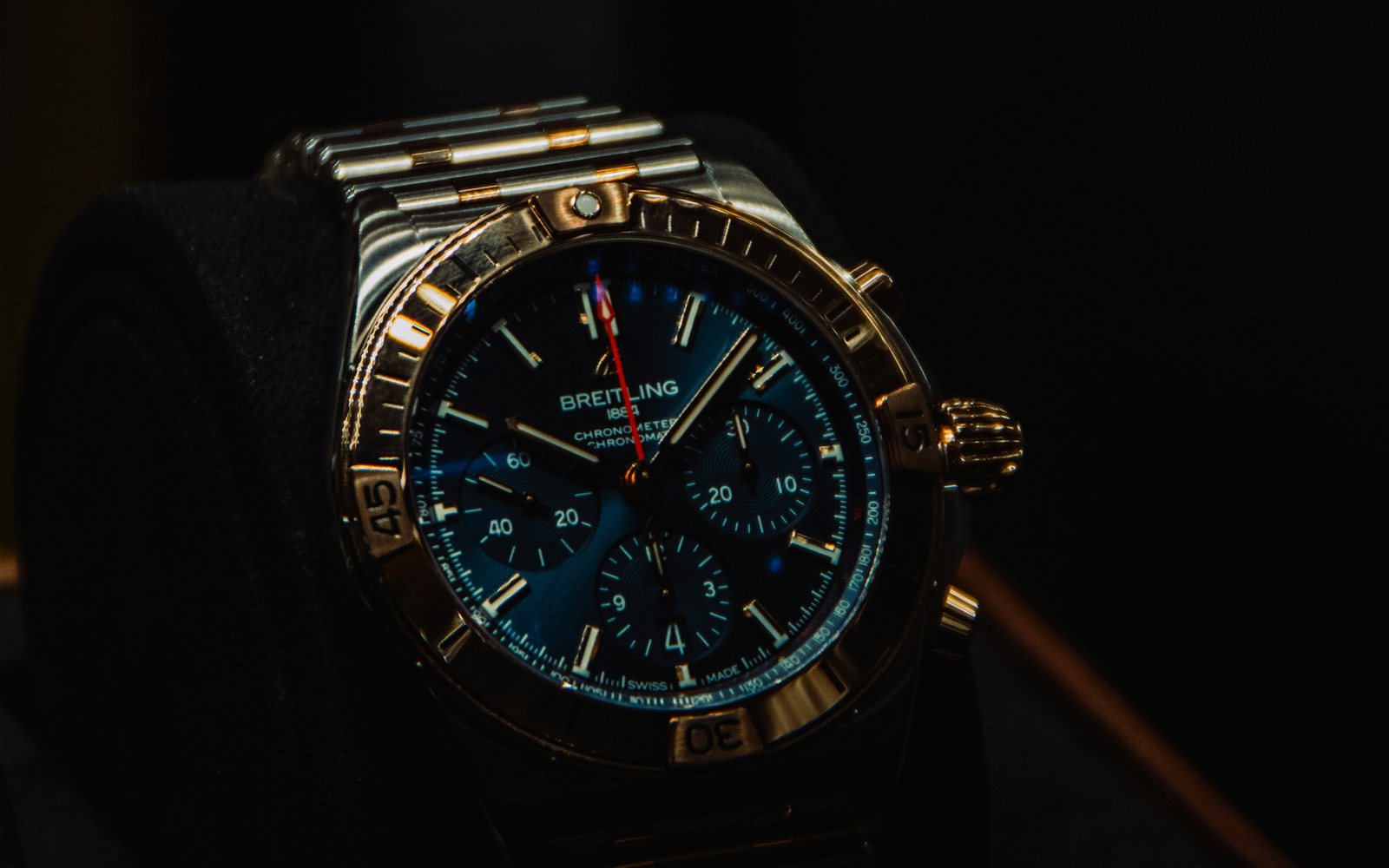
Trading well is not luck. It is knowing the market, sourcing carefully, evaluating honestly — and having a strategy before you buy, not after.
Understanding the market
The luxury watch market is defined by high-value pieces that often appreciate over time. A few forces move it more than any others.
Market trends
- Brand reputation. Rolex, Patek Philippe and Audemars Piguet hold value better than lesser-known names.
- Rarity. Limited editions and discontinued references appreciate on scarcity alone.
- Condition. Well-maintained watches with original parts command higher prices — condition is not a detail, it's the price.
The models that move
- Rolex Submariner — durable, classic, perennially in demand.
- Patek Philippe Nautilus — highly coveted, with a history of significant price increases.
- Omega Speedmaster — rich history, and the connection to space exploration keeps it wanted.
Build the knowledge base
Research and education
- Read widely — the history, the mechanics, the market.
- Join the forums — enthusiast communities surface real insight.
- Attend the shows — Watches & Wonders and the like put the latest references in front of you and the people who trade them.
Understand the mechanics
- Movements — know quartz from automatic from manual.
- Materials — steel, gold, ceramic all affect value and desirability.
- Complications — chronographs, perpetual calendars, moon phases add value.
Sourcing
Auctions
- Reputable houses — the established names known for luxury watches.
- Online auctions — can surface value, but demand more diligence.
Dealers and boutiques
- Networking — relationships get you the call before the listing.
- Pre-orders — a route to secure sought-after references on release.
Private sellers
- Verify authenticity — always, before anything else.
- Negotiate — particularly where the seller is motivated.
Evaluating a watch
Authenticity
- Documentation — original papers and box materially raise value.
- Serial numbers — cross-reference against the brand's records.
Condition
- Scratches and dents — minor wear is acceptable; real damage is not.
- Functionality — is it running, and has it been serviced?
Market value
- Compare listings — what are comparable references actually asking?
- Consult price guides — for a grounded view of fair value.
Trading strategies
Buy and hold
Acquire and hold for the long term. Best suited to rare references and investment-grade pieces from houses with a track record of appreciation.
Flipping
Buy under market and sell quickly. Works where a reference is trending, or where servicing and restoration can lift the value.
Diversification
Like any portfolio, spread the risk — a mix of brands, and a mix of classic and modern references that appeal to different buyers.
Network, and stay informed
Watch clubs and trade shows are where knowledge and opportunity actually change hands. Follow the industry press for new releases and price movement, and treat social channels as a listening post rather than a source of truth.
Successful trading comes down to knowledge, strategy and community. Keep learning, keep adapting — the next hidden gem tends to find the person who was paying attention.
WRITTEN BY JOHN MARCHIANDO — JUST WIND IT, NORTON SHORES, MICHIGAN